
The Mission building
According to the resort, each of the 25 Mission rooms is different. Each one was fitted into the old structure, so no two are quite alike. Original brickwork, vaulted ceilings and hand-hewn timbers were kept.
Historic photographs line the corridors, hung straight onto the red brick. Out front, an elm-lined courtyard runs toward views of Fisher Peak and the Steeples. Numa, the main restaurant, is inside this building, and so is the Ktunaxa Interpretive Centre. A health club with the pool is attached at one end.
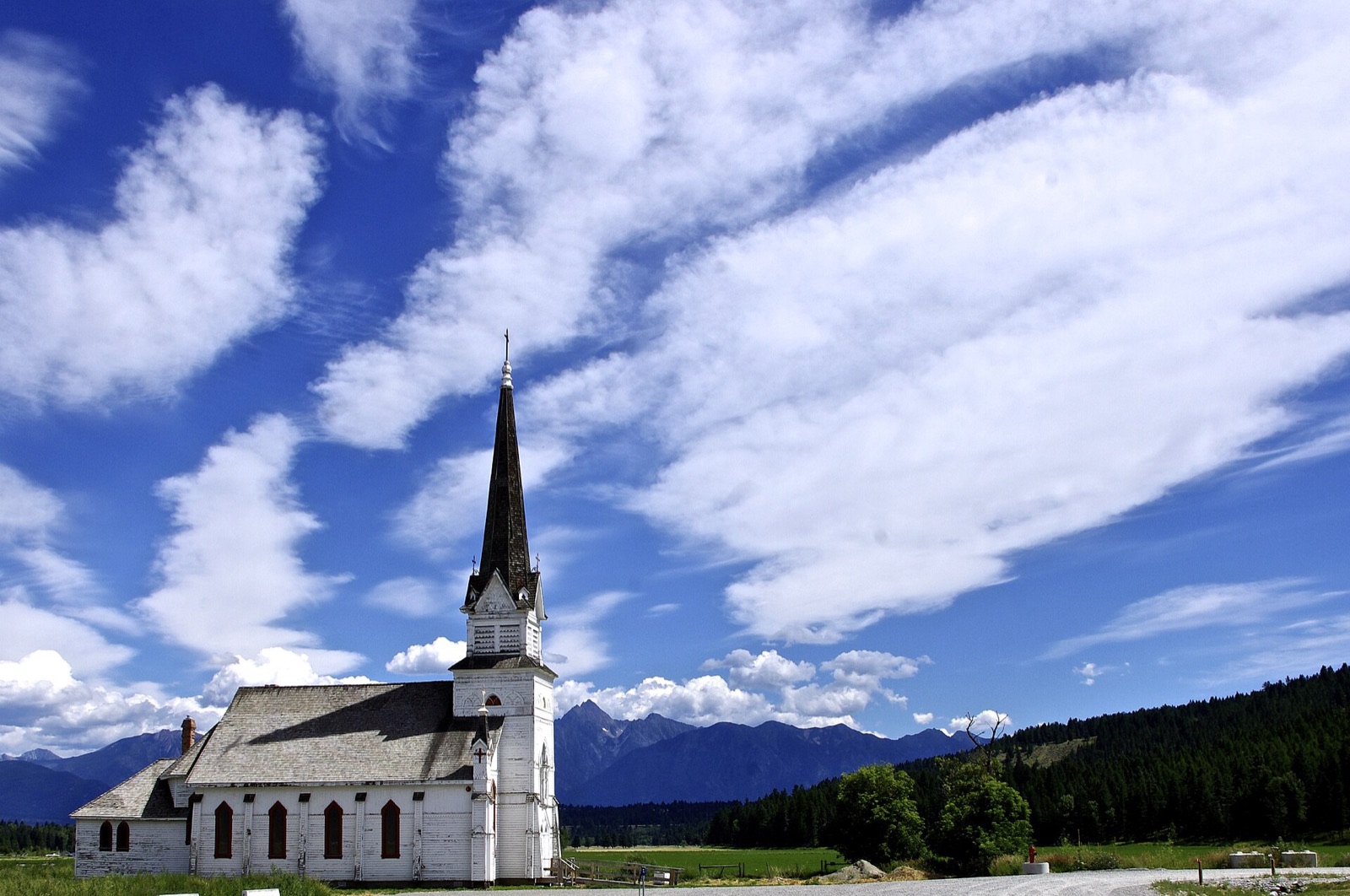

What the building used to be
It was the St. Eugene Mission school, a residential school that Indigenous children from across the region were made to attend. St. Eugene calls it a dark chapter and doesn’t keep it out of view. Tours led by Ktunaxa Elders or Knowledge Holders cover the school years directly.
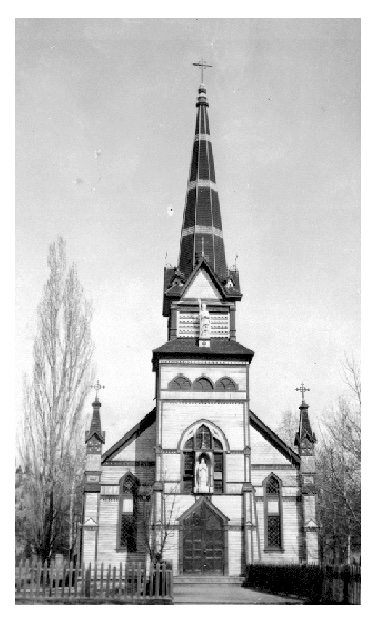

Later, the Ktunaxa Nation chose to reclaim the building and turn it into a resort that earns money for its communities. It’s owned by four Ktunaxa communities, ʔAkisq̓nuk, ʔAq̓am, Tobacco Plains and Lower Kootenay, together with the Shuswap Indian Band.
If you’re booking for the golf, it’s worth knowing this before you arrive rather than after.
The Lodge building
Next door, the Lodge is the resort’s lighter, more conventional hotel wing. Its rooms look onto the garden or the courtyard and sit a few steps from the greens. This is where the renovated Deluxe rooms, the balcony rooms and every pet-friendly room are.
The casino building
Gaming has its own building, apart from both hotel wings. It was recently renovated, and the 19,000-square-foot interior uses local plants and animals as its design theme. St. Eugene says this nods to the Ktunaxa connection to the land.
The setting
All of it sits on more than 300 acres of grassland and fairway on the floor of a valley, a branch of the Rocky Mountain Trench. Rockies rise to the east and the Purcells to the west. Depending on the room, the view is of hoodoos, the course, the courtyard or the mountains.